


Animal Crossing: Pocket Camp C
4.41.41K Reviews
App Specs
- Version
- 7.1.4
- Updated On
- License
- $19.99
- Downloads
- 100,000+
- Developer
- Nintendo Co., Ltd.
- Categories
- Simulation
- Platform
- Android, iOS
Screenshots
 Analysis by AppCompare
I find Animal Crossing: Pocket Camp C works best when I treat it as a small, gentle routine rather than a game I need to keep up with all day. I can check in, see what the animal visitors need, gather a few materials, and make one choice about how I want the campsite to feel. That easy rhythm is its main appeal: it gives me a creative break without demanding the focus of a long, competitive session.
A relaxed loop that fits into ordinary days
The basic routine is straightforward. I visit locations, collect things such as fruit, fish, or bugs, and use what I gather to help animal characters with requests. Those interactions bring rewards and help build relationships, while crafting turns collected materials into furniture, clothes, and other campsite touches. I like that each action has a clear purpose, but none of it feels like a high-pressure test of skill.
In a typical day, I might open the game during a quiet moment, handle a few requests, then spend the rest of my time deciding whether a new item suits my camp. If I only have a short break, I can focus on one small task instead of trying to complete everything. That makes the game easier to enjoy in brief visits than a simulation built around long stretches of uninterrupted play.
Who will enjoy the pace, and who may not
This is a good fit if you enjoy arranging spaces, collecting materials, and seeing friendly characters return to a place you have made your own. It also suits players who want a soft, low-stakes game to dip into between other activities. I would recommend it to someone who values decorating and charming interactions more than complex systems or a demanding story.
I would steer away if you want fast action, deep tactical choices, or a clear finish line. The familiar cycle of requests, gathering, and crafting is the point, so it can feel repetitive if you need every session to introduce a major new mechanic. Players who dislike limited-time activities may also find seasonal content uncomfortable: the changing themes add variety, but they can make the game feel as if there is always another thing to chase.
Small habits that make decorating easier
I get more out of the game when I decide on a campsite mood before crafting. A natural, cute, cool, or sporty direction gives me a simple filter for choosing which furniture to make and display. Without that little plan, it is easy to collect items just because they are available, then end up with a crowded space that does not feel like mine.
Another useful habit is to check what materials I already have before taking on more tasks. Requests are a source of rewards, but gathering with a particular crafting goal in mind makes each visit feel more purposeful. I also like to treat outfit choices and camper decoration as part of the same design rather than separate menus: a consistent palette can make the whole setup feel more considered, even when I am using only a few items.
Worth Reading Before You Choose

Flipboard Shows What News Apps Must Do Beyond the Feed

Switching to Android Auto Means Rethinking Your Driving Routine

Google Calendar Makes a Crowded Week Easier to Manage

Ludo King Makes the Most of the Minutes Between Plans

Baby Panda World Brings Quick Play to Modern Phones, but Its Game Library Feels Busy

ESPN’s Live Game View Makes Following Close Games Easier
How it compares with other simulation games
Compared with a management simulation that asks me to optimize production or balance a complicated economy, Pocket Camp is much more about atmosphere and personal expression. It gives me a gentle sequence of errands and a place to arrange the results, not a demanding puzzle to solve. Compared with a pure decorating app, though, it adds animal requests and material gathering, so furnishing the campsite feels connected to the rest of the play.
That middle ground is appealing, but it also defines the trade-off. If I want a sandbox where I can focus only on building, another kind of game may give me more freedom. If I want a simulation that rewards careful planning, this one is comparatively light. I see its strength in making small actions feel warm and recognizable, not in offering the most intricate systems in the genre.
What to know before settling in
I’d use this section to set expectations before the routine begins: the game’s appeal is in making small, personal changes over time, not in rushing toward a finished campsite. I’d also decide what I want each visit to accomplish, so collecting and decorating stay enjoyable rather than turning into another checklist.
Setting Up Your Camp
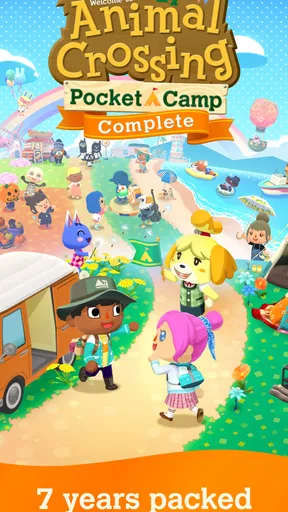
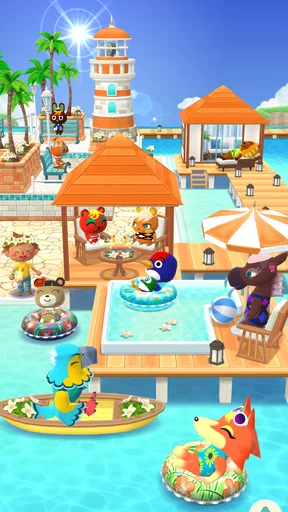
From the moment you open the app, it feels like a breath of fresh air. The game starts with you setting up your very own campsite. You can choose your style, whether it’s cool, cute, sporty, or natural. It’s like a personality quiz but with more adorable animals involved. You’re in charge here, and the choices make it feel really personal.
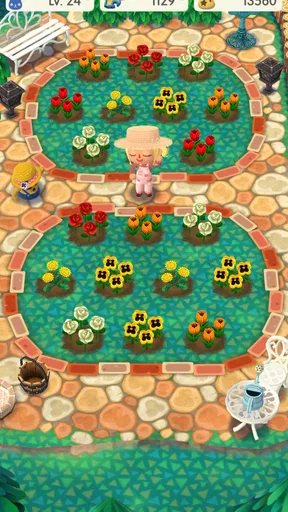
What I love is how customizable everything is. You can design your campsite, camper, and even your character’s outfit. It’s all about expressing yourself, and the game gives you plenty of options to do just that. Plus, the graphics are super cute, and the music is chill, making it a perfect way to unwind.
Making New Friends
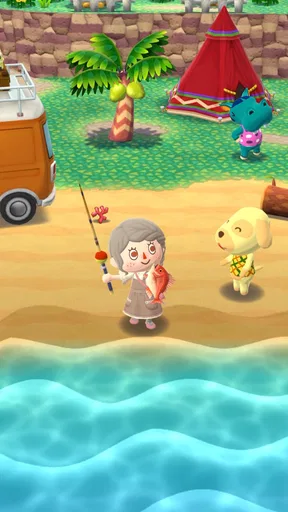
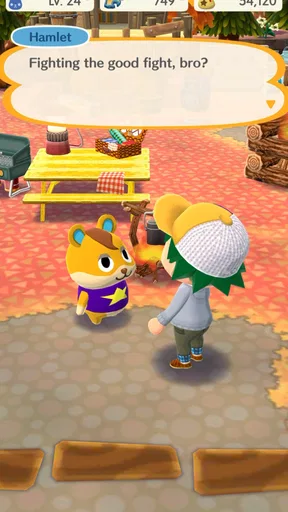
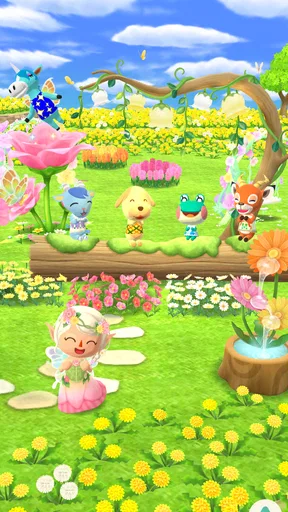
One of the game’s charming aspects is interacting with various animal characters, each with their own quirky personalities. You’ll meet characters like the lazy bear, the peppy rabbit, and many more. These interactions are not just for fun; they’re essential for progressing in the game. You’ll do little tasks like fishing, gathering fruit, or collecting bugs to make your new friends happy.
It’s rewarding to see your relationships grow. As you help them out, you’ll get rewards and even invite them to your campsite. There’s something really satisfying about seeing your camp fill up with happy, furry visitors.
Crafting and Decorating
Animal Crossing: Pocket Camp has a strong focus on crafting. You gather materials from the different locations around the map, and then you can craft furniture, clothes, and other items. This crafting system is what keeps you coming back. The more tasks you do, the more materials you get, and the more items you can create to spruce up your campsite.
The variety of items you can craft is impressive, and it’s constantly evolving with seasonal events and updates. So, there’s always something new to try out. It’s like having a never-ending creative outlet in your pocket.
Seasonal Events and Updates
The game keeps things fresh with regular updates and seasonal events. These events often come with limited-time items and activities that make the game feel dynamic. You’ll find yourself eagerly waiting for the next event to see what new items you can snag.
These events are a big part of what keeps the game exciting. Whether it’s a Halloween pumpkin hunt or a springtime egg event, there’s always something to look forward to.
In-App Purchases
Okay, let’s talk about the elephant in the room—in-app purchases. While Animal Crossing: Pocket Camp is free to play, there are options to buy Leaf Tickets, which can speed up crafting or purchase exclusive items. It’s definitely possible to enjoy the game without spending a dime, but if you’re impatient like me, those Leaf Tickets can be tempting.
The good news is that the game is generous with rewards, so you can earn plenty of Leaf Tickets just by playing. But if you’re looking to support the developers and enhance your experience, a few bucks here and there for some extra tickets isn’t the worst thing in the world.
What the store details mean in practice
Nintendo Co., Ltd. made this a simulation game for players who prefer gentle collecting and decorating to reflex-heavy play. Its average rating is 4.2 from around 9,800 ratings, and it has over 100,000 installs. Those figures suggest a substantial audience, though I would use them as context rather than as a substitute for deciding whether its relaxed loop suits me.
The game was released on November 8, 2024, and its current version is 7.1.3. It is rated Everyone and lists Android 6.0 as the minimum operating system. The listed price is $19.99, so I would check the current store page and device compatibility before planning a download; this is not the same purchase decision as trying a free game. The title’s short store label is simply “Animal Crossing,” while its summary points to a long-running celebration of the series.
Settings and expectations worth checking
Before settling into a routine, I would look through the available settings and choose audio levels that suit the moment. The soft music contributes to the campsite mood, but I do not always want it playing when I am checking the game in a public place or alongside other audio. Treating sound as an adjustable part of the experience makes quick visits easier without changing the relaxed character of play.
I also recommend checking the device’s system requirements and the purchase details before installing. That is practical, especially if the game is intended for a child or someone who shares a device: the Everyone age rating is reassuring, but it does not answer every household question about spending habits. I would agree on a simple rule about purchases in advance, rather than relying on temptation-resistant willpower when a desired item appears.
Making limited playtime count
For a short session, I would avoid bouncing between every activity without a plan. I choose a single target—helping a visitor, collecting a particular kind of material, or making progress toward one furniture idea—and let that guide what I do. It is a small adjustment, but it makes the loop feel less like a checklist and helps me stop when my break is over.
For a longer visit, I switch from errands to presentation. I arrange the campsite, look at how furniture sits together, then make a small change to the camper or outfit so the overall look feels intentional. The useful trade-off is that crafting can support a design goal, but it also takes patience; I would rather accept a slower build than spend just to remove every wait. A limited-time event is more enjoyable when I choose one or two items I genuinely like instead of treating the entire event collection as mandatory.
Where the routine can wear thin
The game’s friendliness does not make every part equally fresh. Gathering and fulfilling requests are repeated activities, and the appeal depends on whether those small tasks feel comforting or monotonous to me. When I am in the mood for a plot with dramatic turns, complex character choices, or a strong sense of completion, this is not what I reach for. Its pleasure comes from returning to a familiar place and making gradual changes.
Seasonal events can sharpen that difference. They give me new themes to work toward, but limited-time goals can also create pressure to check in when I would rather take a break. I find it healthier to treat event rewards as optional decoration, not a measure of whether I have played properly. If missing a particular item would bother you, the event cadence may feel more demanding than the gentle presentation suggests.
Spending, patience, and the right fit
The purchase information deserves particular attention because the older free-to-play description of Leaf Tickets does not match the current listed price of $19.99. I would not assume that every past payment detail or monetization flow still applies in the same way. Before buying, I would read the current platform page carefully and make sure the price shown there is the one I expect. That is more useful than making a decision based on an old description of optional purchases.
For me, paying makes sense only if I expect to return for the decorating and collection loop, not because I feel pushed to keep pace with an event. If my main goal is a no-cost pastime, I would compare the available options on my device first. If I want an open-ended building tool, I would choose something more focused on construction; if I want competition or strategic pressure, I would look elsewhere in simulation games. Pocket Camp is strongest when I want a specific mix of animal visitors, small requests, crafting, and a personal campsite.
My Final Thoughts
Overall, Animal Crossing: Pocket Camp is a delightful game that offers a peaceful escape from the hustle and bustle of daily life. It’s perfect for those moments when you need a break and want to dive into a world of creativity and charming animal friends.
The game’s charm lies in its ability to make you feel like you’re part of a community. It’s chill, it’s fun, and it’s a game I keep coming back to whenever I need a little pick-me-up. So, if you haven’t tried it yet, give it a download and start setting up your dream camp. Trust me, you won’t regret it!
A final check before you decide
My recommendation is for someone who wants low-pressure collecting with a personal decorating payoff and is comfortable with a routine that repeats. I would skip it if I were looking for fast challenges, deep management, or a game I could finish and put away. I would also pause if the listed price does not fit my budget or if event schedules tend to turn hobbies into obligations.
For the right player, the practical approach is simple: check the purchase and compatibility details, set a spending boundary, pick a visual direction, and let small sessions add up at their own pace. That is when the campsite feels like a pleasant corner to visit rather than another task list. The experience is modest in its demands, but its charm is specific: it is about returning to familiar animal friends and making their shared space feel a little more like yours.
Pros
- Charming graphics and design.
- Engaging and relaxing gameplay.
- Frequent updates with new content.
- Easy to play in short sessions.
- Strong community and social features.
Cons
- Requires constant internet connection.
- In-app purchases can be expensive.
- Limited inventory space.
- Repetitive tasks over time.
- Some events are time-restricted.
FAQs for Animal Crossing: Pocket Camp C
What is Animal Crossing: Pocket Camp, and how does it differ from other Animal Crossing games?
Animal Crossing: Pocket Camp is a mobile version of the popular Animal Crossing series, designed specifically for iOS and Android. Unlike the main console games, Pocket Camp focuses on managing a campsite rather than a village or island. Players engage in activities like fishing, bug catching, and crafting to attract animal campers and expand their campsite.
Is Animal Crossing: Pocket Camp free to play, and are there in-game purchases?
Animal Crossing: Pocket Camp is free to download and play, but it does offer in-game purchases. Players can buy Leaf Tickets, the premium currency, to speed up crafting, purchase exclusive items, or enhance gameplay. While not necessary to enjoy the game, these purchases can enhance the overall experience and customization options.
What are the main activities and objectives in Animal Crossing: Pocket Camp?
In Animal Crossing: Pocket Camp, players focus on building and customizing their campsite to attract animal visitors. The main activities include fishing, bug catching, gathering resources, and crafting furniture and amenities. Completing tasks for animal friends helps build relationships, unlocks new items, and allows players to expand their campsite with unique decorations.
How does the social interaction work in Animal Crossing: Pocket Camp?
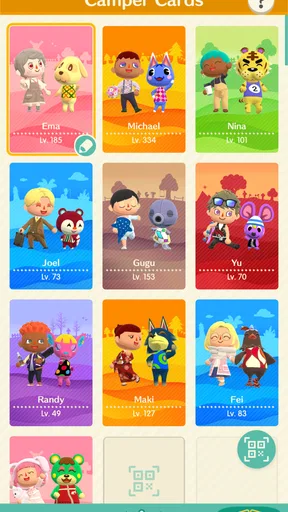
Animal Crossing: Pocket Camp allows players to connect with friends by exchanging IDs. Players can visit each other's campsites, give kudos, and share resources. Special events and tasks also encourage interaction with animals and other players, adding a social dimension to the game and fostering a sense of community among players.
Are there regular updates or seasonal events in Animal Crossing: Pocket Camp?
Yes, Animal Crossing: Pocket Camp regularly updates with new content, including seasonal events and themed furniture collections. These updates keep the game fresh and engaging, offering limited-time challenges and items that match real-world events and holidays. Players can look forward to new experiences and decorations throughout the year.


